Pain-Free Root Canal Treatment by Board-Certified Endodontists
Expert endodontic treatment to save damaged teeth, performed by our board-certified endodontist using advanced techniques.
Incisor/front tooth from $199. Molar from $269-$313.
What's Included
Save Your Tooth with Expert Endodontic Care
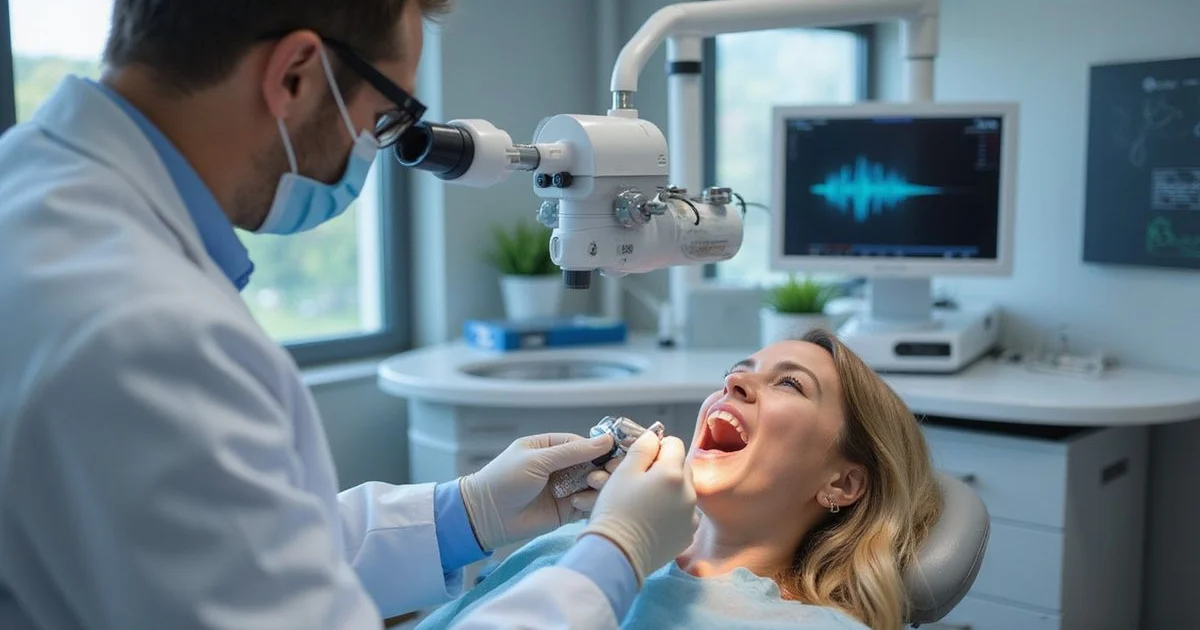
A root canal has a reputation it does not deserve. Thanks to modern techniques and anesthesia, root canal therapy is no more uncomfortable than having a filling placed — and it is one of the most important procedures in dentistry because it saves teeth that would otherwise need to be extracted.
At our clinic in Playa del Carmen, root canal treatment is performed by Dr. Marco Laguna Contreras, a board-certified endodontist and certified member of both the Mexican Council of Endodontics and the American Association of Endodontics. His specialized training and advanced rotary techniques deliver efficient, comfortable treatment — often completed in a single visit.
With root canals starting at just $199 for front teeth and $269-$313 for molars, our patients save 60% or more compared to US prices, where a single root canal can cost $1,000 to $1,800 before the crown is even placed.
What Is a Root Canal and Why Do You Need One?
Inside every tooth, beneath the hard outer enamel and dentin layers, lies a soft tissue called the pulp. The pulp contains nerves, blood vessels, and connective tissue that helped the tooth develop during childhood. Once a tooth is fully mature, it can survive without the pulp because surrounding tissues continue to nourish it.
A root canal becomes necessary when the pulp becomes infected or severely inflamed. Common causes include:
- Deep decay that has penetrated through the enamel and dentin into the pulp chamber
- Repeated dental procedures on the same tooth that have irritated the pulp
- Cracks or chips in the tooth that allow bacteria to reach the pulp
- Trauma to the tooth, even if there is no visible crack, that damages the nerve
- Advanced gum disease that allows bacteria to enter through the root tips
Without treatment, a pulp infection leads to an abscess — a pocket of pus at the root tip that can spread to the jawbone and surrounding tissues. An untreated abscess can cause severe pain, facial swelling, and in rare cases, life-threatening systemic infection.
Signs You Might Need a Root Canal
Not every toothache means you need a root canal, but certain symptoms strongly suggest pulp involvement:
- Persistent tooth pain that does not go away, especially pain that radiates to the jaw, ear, or other teeth
- Prolonged sensitivity to hot or cold that lingers after the stimulus is removed
- Darkening of the tooth — a tooth that turns gray or dark indicates the nerve may be dying
- Swollen, tender gums near the affected tooth, or a visible pimple (fistula) on the gum
- Pain when biting or touching the tooth
- A cracked or chipped tooth with symptoms of nerve involvement
If you are experiencing any of these symptoms while in the Riviera Maya, we offer same-day emergency consultations. Do not wait — early treatment prevents the infection from spreading and improves the chances of saving the tooth.
The Root Canal Procedure Step by Step
Understanding what happens during a root canal helps eliminate anxiety. Here is exactly what Dr. Laguna does during the procedure:
Step 1 — Diagnosis and Anesthesia
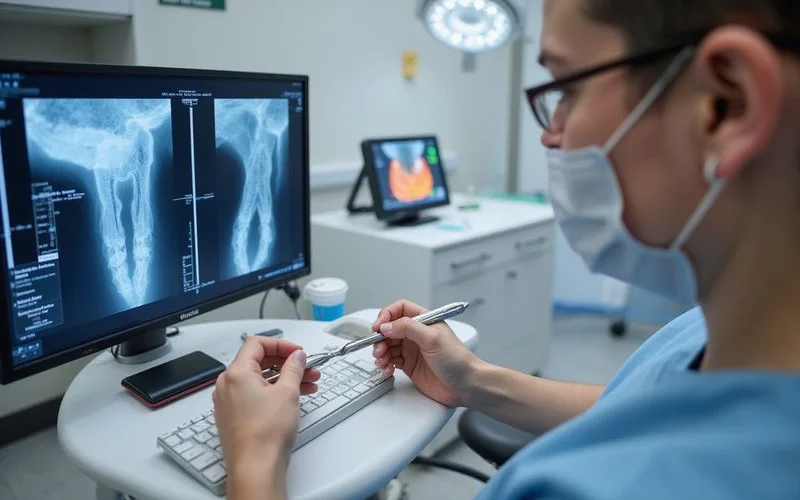
We take digital X-rays to confirm the diagnosis and assess the root anatomy. Local anesthesia is administered to completely numb the tooth and surrounding area. You will not feel pain during the procedure — just mild pressure and vibration.
Step 2 — Access Opening
A small opening is made in the top of the tooth to access the pulp chamber. This opening is no larger than what would be made for a typical filling.
Step 3 — Pulp Removal and Canal Cleaning
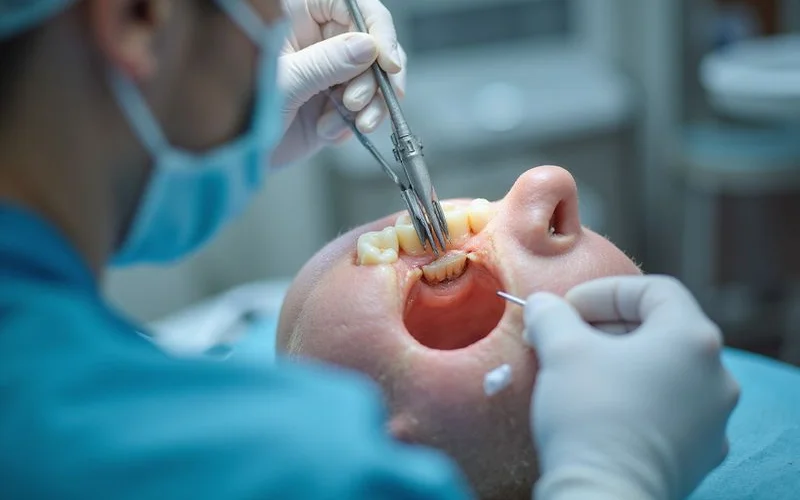
Using advanced rotary instruments (NiTi files), Dr. Laguna carefully removes the infected pulp tissue from the root canals. The canals are then cleaned, shaped, and disinfected using antimicrobial irrigating solutions. Rotary instruments are more precise and efficient than traditional hand files, reducing treatment time and improving outcomes.
Step 4 — Canal Filling
The cleaned canals are filled with gutta-percha, a biocompatible rubber-like material that seals the interior of the tooth and prevents reinfection. The material is heated and condensed to ensure a complete, three-dimensional seal.
Step 5 — Temporary or Permanent Restoration
The access opening is sealed with a filling material. In most cases, we recommend placing a dental crown over the tooth within a few weeks to protect it from fracture, since root canal-treated teeth are more brittle than vital teeth. We can coordinate crown placement during the same trip.
What Makes Our Endodontic Team Different
Board-Certified Specialist
Dr. Marco Laguna Contreras is not a general dentist performing root canals on the side. He is a dedicated endodontist — a specialist who has completed years of additional training beyond dental school specifically in the diagnosis and treatment of pulp diseases and root canal therapy. His certifications from both the Mexican Council of Endodontics and the American Association of Endodontics represent the highest standards in the field.
Advanced Rotary Technology
We use the latest generation of nickel-titanium (NiTi) rotary endodontic instruments. These flexible files navigate curved and narrow root canals with exceptional precision, reducing the risk of instrument breakage and ensuring thorough cleaning of even the most complex root anatomy.
Digital X-Ray Guidance
Digital radiography produces instant, high-resolution images at a fraction of the radiation exposure of traditional X-ray film. Multiple images are taken during the procedure to confirm proper canal measurement, cleaning, and filling. This real-time guidance is essential for achieving consistent, high-quality results.
Single-Visit Treatment
Many root canal cases can be completed in a single appointment lasting 60 to 90 minutes. This is particularly beneficial for traveling patients who need efficient treatment. Complex cases (such as retreatments or teeth with unusual anatomy) may require two visits, which we can schedule within the same week.
Root Canal Cost Comparison: Mexico vs. the US
| Procedure | US Price | Canada Price | Our Price | Savings |
|---|---|---|---|---|
| Root canal — front tooth (incisor) | $700 - $1,000 | $600 - $900 CAD | From $199 | Up to 72% |
| Root canal — premolar | $800 - $1,200 | $700 - $1,000 CAD | From $249 | Up to 69% |
| Root canal — molar | $1,000 - $1,800 | $900 - $1,500 CAD | $269 - $313 | Up to 73% |
| Root canal retreatment | $1,200 - $2,000 | $1,000 - $1,800 CAD | From $350 | Up to 71% |
| Crown after root canal | $1,200 - $2,000 | $1,000 - $1,800 CAD | $489 - $560 | Up to 72% |
Note: In the US, the root canal and crown are almost always billed as separate procedures. Our prices above are also listed separately for transparency, but we offer package pricing when you need both a root canal and crown on the same tooth.
Aftercare and Recovery
Recovery from a root canal is straightforward. Most patients return to normal activities the same day. Here is what to expect:
First 24-48 Hours. Some tenderness around the treated tooth is normal as the anesthesia wears off and the tissues heal. Over-the-counter pain relief (ibuprofen or acetaminophen) is usually sufficient. Avoid chewing on the treated side until the permanent crown is placed.
First Week. Sensitivity decreases steadily. If prescribed antibiotics (for active infections), complete the full course as directed. The tooth should feel progressively better each day.
Long-Term. A root canal-treated tooth, properly restored with a crown, can last a lifetime with normal oral hygiene. Brush and floss regularly, and attend annual dental check-ups.
When to Contact Us. Call our clinic if you experience severe pain that does not improve with medication, visible swelling that worsens after 48 hours, an uneven bite on the temporary restoration, or if the temporary filling falls out.

Root Canal vs. Extraction: Why Saving Your Tooth Matters
Some patients ask, “Why not just pull the tooth and get an implant?” While dental implants are excellent replacements, preserving your natural tooth is almost always the better choice when possible:
- Natural teeth have better proprioception — you can sense bite pressure more naturally
- Root canals preserve jawbone — extraction leads to bone loss at the extraction site
- Root canals are less invasive and less expensive than implant placement
- No healing wait time — a root canal-treated tooth can be restored with a crown within days, while implants require months of osseointegration
- Success rates are excellent — modern root canal therapy has a success rate of 95% or higher
However, if a tooth is too severely damaged to save, extraction followed by an implant is the next best option. Our team evaluates each case individually and recommends the treatment that gives you the best long-term outcome.
Emergency Root Canal Service
Tooth pain does not wait for a convenient time. If you are visiting Playa del Carmen, Cancun, Tulum, or anywhere in the Riviera Maya and experience a dental emergency, we offer same-day consultation and treatment. A pulp infection can worsen rapidly, so prompt treatment is important.
Contact us immediately if you have severe tooth pain, facial swelling, or signs of a dental abscess.
Get Emergency Dental Help on WhatsApp — We respond in under 2 hours.
Related Services
Crowns & Bridges
Restore damaged or missing teeth with custom-crafted porcelain and zirconia crowns and bridges, manufactured with precision in our partner lab.
From $489
Dental Implants
Permanent tooth replacement with titanium implants, custom abutments, and premium crowns — all from board-certified implantologists.
From $1,200
General Dentistry
Comprehensive dental care including cleanings, exams, fillings, extractions, and preventive treatments for the whole family.
From $49
Ready to Get Started?
Contact us for a free, no-obligation quote. We respond within 2 hours.
Get Free Quote on WhatsApp